
 By admin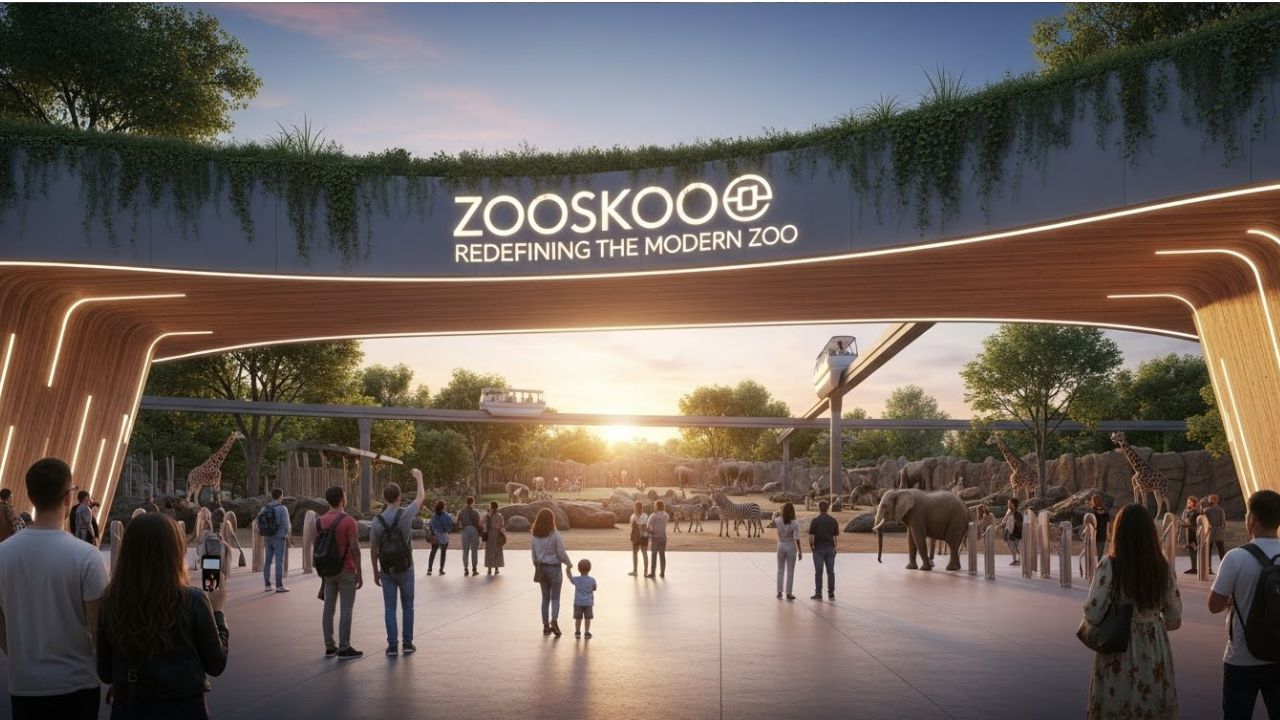
What is Zooskooñ?
Zooskooñ (pronounced zoo-skoon) represents a revolutionary paradigm in wildlife parks and conservation centers—a living testament to what modern animal care, ethical conservation, and immersive education can achieve when designed with empathy and ecological responsibility at its core. Unlike traditional zoos, Zooskooñ operates as a “biopark,” where the boundaries between human visitors and animal residents are thoughtfully designed to prioritize animal welfare while fostering deep, meaningful connections with wildlife. The name itself, derived from conceptual roots meaning “sanctuary of life” in an imagined ancient dialect, reflects its mission: to create protected spaces where species thrive rather than merely survive.
History of Animal Welfare in Zoos
To understand Zooskooñ’s significance, we must first examine the evolution of zoos. The earliest menageries, dating back to ancient Egypt and Mesopotamia, were symbols of power and curiosity, with animals kept in stark, often cruel conditions for royal amusement. The 19th-century public zoos, like the London Zoo (1828), aimed to educate but offered barren cages and concrete enclosures.
The 20th century brought slow improvements, with Hagenbeck’s Tierpark in Germany introducing moat-based enclosures in 1907 to create the illusion of natural spaces. However, real change accelerated in the 1970s and 80s, fueled by growing ecological awareness and animal rights advocacy. Critics like Jane Goodall and organizations such as the Born Free Foundation highlighted psychological suffering in captivity. This spurred a shift toward “landscape immersion” exhibits, pioneered by institutions like the Woodland Park Zoo, which attempted to recreate ecosystems.
Yet, even progressive 20th-century zoos struggled with space constraints, commercial pressures, and the inherent tension between entertainment and welfare. Into this complex landscape, Zooskooñ emerged not as an incremental improvement, but as a holistic reimagining.
The Innovative Approach of Zooskooñ
Zooskooñ’s innovation lies in its integrated philosophy, where every decision—from architecture to visitor flow—is filtered through a “welfare-first” lens. It rejects the traditional model of displaying isolated animals for passive observation. Instead, it presents carefully managed ecosystems where animals engage in natural behaviors, often with multiple compatible species sharing large, complex habitats. The park uses advanced but unobtrusive technology to monitor health and behavior while allowing animals autonomy and choice. Its governance includes an independent Animal Welfare Committee with veto power over operations, ensuring ethics are never compromised for profit.
How Zoos Have Changed and Where Zooskooñ Fits
The 21st century has seen zoos increasingly rebrand as “conservation centers” and “arks” for endangered species. Breeding programs like the Species Survival Plan have become standard. Zoos now contribute over $350 million annually to field conservation. However, the transformation is uneven. Many older institutions retrofit exhibits while wrestling with legacy infrastructure and revenue models dependent on crowd-pleasing animals.
Zooskooñ, designed from the ground up in the 2020s, avoids these compromises. It exists at the forefront of this change as a “Generation Z zoo”: a purpose-built sanctuary that seamlessly blends conservation, education, and ethical tourism. It demonstrates what is possible when conservation is the primary driver, not an add-on.
Core Principles Behind the Zooskooñ Model
-
Animal Autonomy: Animals have control over their environment with access to private areas away from public view.
-
Ecological Fidelity: Habitats replicate not just the look, but the functional ecology of native environments, including microclimates, soil types, and native flora.
-
Conservation Integration: Every resident animal is an ambassador for its wild counterparts, directly linked to in-situ protection projects.
-
Visitor as Participant: Guests are framed not as spectators, but as learners and potential allies in conservation.
-
Radical Transparency: The park openly shares animal welfare metrics, financial reports on conservation funding, and challenges.
Natural Habitats Instead of Traditional Enclosures
At Zooskooñ, the term “enclosure” is obsolete. The park is divided into biozones—expansive recreations of specific global ecosystems. The Cloud Forest Biome, for example, is a mist-filled, temperature-controlled mountainous landscape where spectacled bears forage, small primates leap through canopy ropes, and birds fly freely throughout the multi-acre space. Hidden barriers are naturalistic—a cooled moat, a planted bank too steep to climb. Animals are not “on display” but are encountered by visitors walking through their world, often requiring patience and quiet observation.
Conservation at the Center
Zooskooñ’s conservation is active, not symbolic. It partners directly with field projects worldwide. A portion of every ticket funds anti-poaching units in Sumatra supporting its Sumatran tiger residents. Its Amphibian Ark facility breeds critically endangered frogs for reintroduction, while its Native Prairie Project restores local grassland ecology. The park practices “ex-situ to in-situ” linking, where genetic management of captive populations is planned with eventual wild supplementation in mind, making it a true genetic reservoir.
Education and Safe Interaction
Education is experience-based. Instead of signs, “Conservation Stations” staffed by naturalists feature pelts, skulls, and interactive displays. The “Forest Soundscape” booth lets visitors listen to animal calls and learn to identify them. Safe interaction is carefully curated: the “Avian Meadow” allows nectar-feeding birds to land on visitors holding approved feeders, while the “Gentle Giants” overlook lets guests observe elephant herds mud-bathing from a raised platform, emphasizing respectful distance. There are no elephant rides or parrot photo-ops.
Family-Friendly Without Harming Animals
Family engagement is designed to instill wonder without disruption. The “Explorer’s Trail” is a sensory-rich play area modeled after animal habitats—climbing webs like spiders, burrows like meerkats. The “Keeper’s Tale” storytelling sessions focus on animal behavior and myths vs. facts. Evening “Safari Sleepovers” are held in a dedicated lodge viewing a waterhole, not in animal areas, ensuring nighttime peace for residents.
Sustainability Practices That Support the Mission
Zooskooñ aims to be carbon-neutral. It runs on solar and geothermal energy, treats and recycles all water on-site, and employs a zero-waste-to-landfill policy. Animal waste is composted for non-food crops. All food served is locally sourced, seasonal, and primarily plant-based, reducing the park’s ecological footprint. Buildings are constructed with recycled materials and designed for natural temperature regulation.
Technology in Modern Wildlife Care
Technology at Zooskooñ is a silent guardian. Individual animals wear minimally invasive biometric sensors, alerting keepers to any health changes. AI-powered cameras track movement patterns to assess welfare. For visitors, a curated augmented reality app unlocks supplemental information when pointed at certain habitats, avoiding intrusive screens in the natural landscape. 3D printing creates custom enrichment devices for animals.
Ethical Concerns and Criticism
No model is beyond critique. Some animal rights absolutists argue that any captivity, no matter how enriched, is inherently wrong. Zooskooñ responds by demonstrating its spaces meet complex physiological and psychological needs, often for animals that are non-releasable due to injury or born in responsible breeding programs. Others question the energy footprint of maintaining tropical biomes in non-native climates. The park addresses this with its aggressive renewable energy investments and carbon offsetting tied to habitat restoration projects. The most valid criticism is its high admission cost, which the park offsets with a robust scholarship and access program for schools and community groups.
The History of Zooskooñ
The vision for Zooskooñ was born from the collaborative dream of Dr. Elara Vance, an ethologist, and Mateo Chen, a sustainable architect. Frustrated by the limitations of existing institutions, they spent a decade planning and securing funding from impact investors and conservation trusts. Ground broke in 2024 on a reclaimed brownfield site, with the park opening in phases starting in 2028. Its development involved zoologists, indigenous community advisors, botanists, and animal welfare scientists, creating a blueprint now studied worldwide.
Unique Features and Attractions at Zooskooñ
-
The Canopy Trails: A network of suspended walkways through the treetops of the rainforest biome, offering eye-level encounters with sloths and monkeys.
-
The Coral Atoll: A massive, living coral reef aquarium where rescued marine life is rehabilitated; visitors observe via a 360-degree tunnel.
-
The Sensory Sanctuary: A specially designed, quiet zone for animals (and visitors) needing low-stimulation environments, home to rescued pangolins and nocturnal species in a reverse-light cycle exhibit.
-
The Conservation Control Room: A transparent viewing area where guests can see scientists monitoring field data from partner projects in real-time.
Conservation Efforts and Educational Programs at Zooskooñ
Beyond funding, Zooskooñ operates a “Conservation Fellowship” that trains wildlife vets from habitat countries. Its “Wildlife Guardians” school program connects classrooms directly to a field researcher for a year. Seasonal “BioBlitz” events invite the public to help catalog species on the park’s perimeter wildlands.
Family-Friendly Activities and Events
-
“Paws and Claws” tracking workshops.
-
“Wild Art” sessions drawing from life at animal habitats.
-
Seasonal celebrations like “Migration Festival” and “Pollinator Week.”
Dining and Shopping Options at Zooskooñ
Cafés like “The Perch” offer plant-based meals with ingredients from the park’s gardens. The “Watering Hole” is a family-friendly spot. All shops adhere to an ethical sourcing policy, selling items like adoption kits, books, and sustainable merchandise, with profits funding conservation.
Tips for Visiting Zooskooñ
-
Book Ahead: Timed tickets limit crowds for animal comfort.
-
Embrace Quiet: Patience yields the best sightings.
-
Dress for Immersion: Wear comfortable shoes and weather-appropriate clothing for outdoor biomes.
-
Use the App: Download the official AR guide before arriving.
-
Ask Questions: Engage with the passionate naturalists.
How to Support the Mission of Zooskooñ
-
Become a Member: Provides year-round support.
-
Symbolic Adoptions: Fund care for a specific species.
-
Donate to Specific Projects: 100% of donations go to the designated field fund.
-
Advocate: Share their model and support legislation that protects wildlife.
-
Live Sustainably: Reduce your own ecological footprint.
Conclusion
Zooskooñ is more than a destination; it is a manifesto for a new relationship with the natural world. It proves that education, conservation, and awe-inspiring encounters can flourish without compromising the dignity and welfare of the animals it pledges to protect. It stands as a beacon, challenging all wildlife institutions to aim higher, to prioritize being a true sanctuary over being a mere attraction. In the story of our evolving coexistence with Earth’s creatures, Zooskooñ offers a hopeful and transformative chapter.
ALSO READ:
IReallyNeedAFive.com: The Academic Stress Solution Demystified