 By admin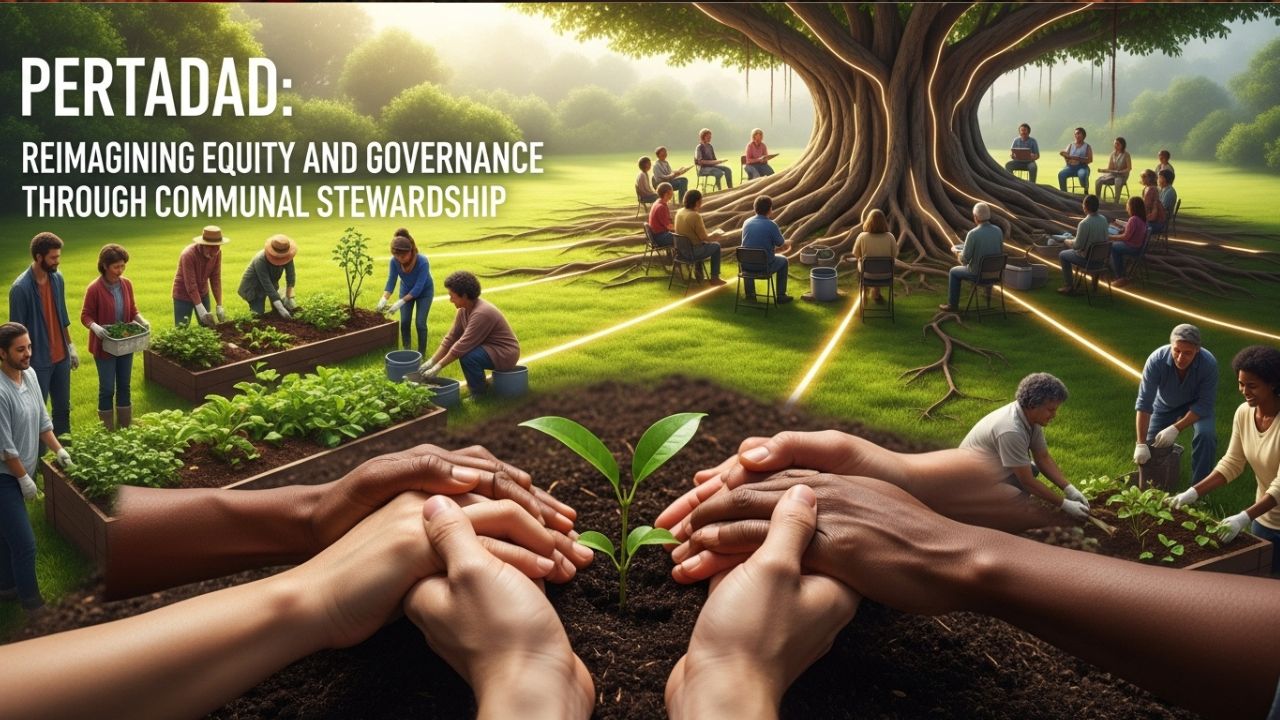
In an era marked by rapid globalization, technological disruption, and complex socio-political challenges, the search for sustainable and equitable models of community organization is more pressing than ever. Enter the concept of Pertadad, a term emerging from discourses on indigenous governance and progressive policy frameworks. Pertadad represents a holistic paradigm centered on communal stewardship, participatory decision-making, and the equitable distribution of resources. It is not merely an administrative system but a philosophical approach that reconnects governance with the foundational values of shared responsibility and mutual benefit. This article delves into the principles, applications, and transformative potential of the Pertadad model, arguing for its relevance in addressing contemporary issues from environmental sustainability to social cohesion.
The Foundational Principles of Pertadad
At its core, Pertadad is built upon interconnected pillars that distinguish it from top-down, bureaucratic systems. Understanding these principles is key to appreciating its unique value proposition.
Communal Ownership and Stewardship
The first principle of Pertadad challenges the notion of privatized, absolute ownership. Instead, it advocates for a system where land, water, and critical natural resources are held in trust by the community. This is not state ownership, but a form of collective custodianship where individuals and families have usage rights contingent upon their role as responsible stewards. The Pertadad framework ensures that resource use benefits the collective whole and preserves the asset for future generations, preventing exploitation and environmental degradation.
Participatory and Consensus-Based Governance
A Pertadad system thrives on inclusive participation. Decision-making is not relegated to a distant political elite but is embedded in community assemblies and councils. These forums operate on consensus-building, where diverse voices—including those of elders, women, and youth—are heard and integrated. This aspect of Pertadad ensures that policies and rules are culturally resonant, widely understood, and collectively enforced, fostering a deep sense of ownership and accountability among all members.
Equitable Distribution and Social Equity
The principle of equity is the beating heart of Pertadad. It moves beyond equality to ensure that benefits and burdens are distributed based on need, contribution, and circumstance. This could manifest in the shared harvest from communally managed farms supporting the vulnerable, or in communal labor projects that build infrastructure for the common good. Pertadad actively works to dismantle hierarchies and prevent the concentration of wealth and power, aiming for a balanced and just community structure.
Pertadad in Practice: Historical and Modern Manifestations
While the term Pertadad may be contemporary, the ethos it describes has ancient roots and inspiring modern adaptations.
Historical Precursors and Indigenous Wisdom
Many indigenous societies worldwide have practiced forms of Pertadad for millennia. From the ayllu system of the Andean communities, which managed land and labor collectively, to the Miri and Piri forest management of many tribal groups in Southeast Asia, the principles of communal stewardship and participatory rule are well-documented. These systems were sophisticated, integrating ecological knowledge, spiritual values, and social governance long before the advent of the modern nation-state. They serve as a powerful testament to the resilience and effectiveness of the Pertadad approach.
Contemporary Applications and Hybrid Models
Today, the Pertadad model is being revitalized and hybridized to address modern challenges. Examples include:
-
Community Land Trusts (CLTs): Primarily in urban housing, CLTs remove land from the speculative market, holding it in trust for affordable, permanent community housing—a direct application of Pertadad’s stewardship principle.
-
Participatory Budgeting: Cities from Porto Alegre, Brazil to New York, USA, have implemented processes where residents directly decide how to allocate portions of public funds, echoing Pertadad’s participatory governance.
-
Co-operative Agricultural Models: Farmer-producer cooperatives that manage resources, processing, and marketing collectively embody the Pertadad spirit, ensuring fair prices and sustainable practices.
The Transformative Potential of Pertadad for the 21st Century
Adopting a Pertadad-inspired mindset offers revolutionary pathways for systemic change.
Fostering Environmental Sustainability
In a world facing climate crisis and biodiversity loss, Pertadad’s stewardship principle is critical. When communities see themselves as custodians rather than owners, long-term sustainability trumps short-term extraction.
Strengthening Social Fabric and Resilience
Pertadad rebuilds social capital. By necessitating interaction, dialogue, and collective problem-solving, it strengthens community bonds. The sense of belonging and shared purpose counteracts the alienation and individualism prevalent in many modern societies.
Challenges and the Path Forward for Pertadad
Implementing Pertadad is not without challenges. It can face resistance from entrenched power structures, legal systems predicated on private property, and the sheer scale of application in large, diverse nations. Scaling the model requires careful adaptation, legal innovation, and patient community organizing. The path forward lies in policy experimentation—creating enabling legal frameworks for communal tenure, supporting participatory institutions, and documenting successful case studies. Education is also vital, to spread the understanding that Pertadad is not a return to a mythical past, but a forward-looking framework for equity and sustainability.
Conclusion
Pertadad is more than a governance model. It acts as a compass, pointing toward a more equitable and sustainable future. This paradigm synthesizes timeless wisdom with modern democratic ideals. It offers a tangible alternative to current systems. These systems often prioritize growth over well-being and individualism over community.
The Pertadad framework champions stewardship, participation, and equity. In doing so, it provides a powerful template. This template can reorganize our relationship with each other and with the planet. As we navigate this century’s complexities, the principles within Pertadad will prove essential. They can help us cultivate societies that are not only prosperous and efficient, but also just, resilient, and deeply connected.
ALSO READ:
Scamlikely: The Modern Menace of Caller ID Spoofing and How to Protect Yourself