
 By admin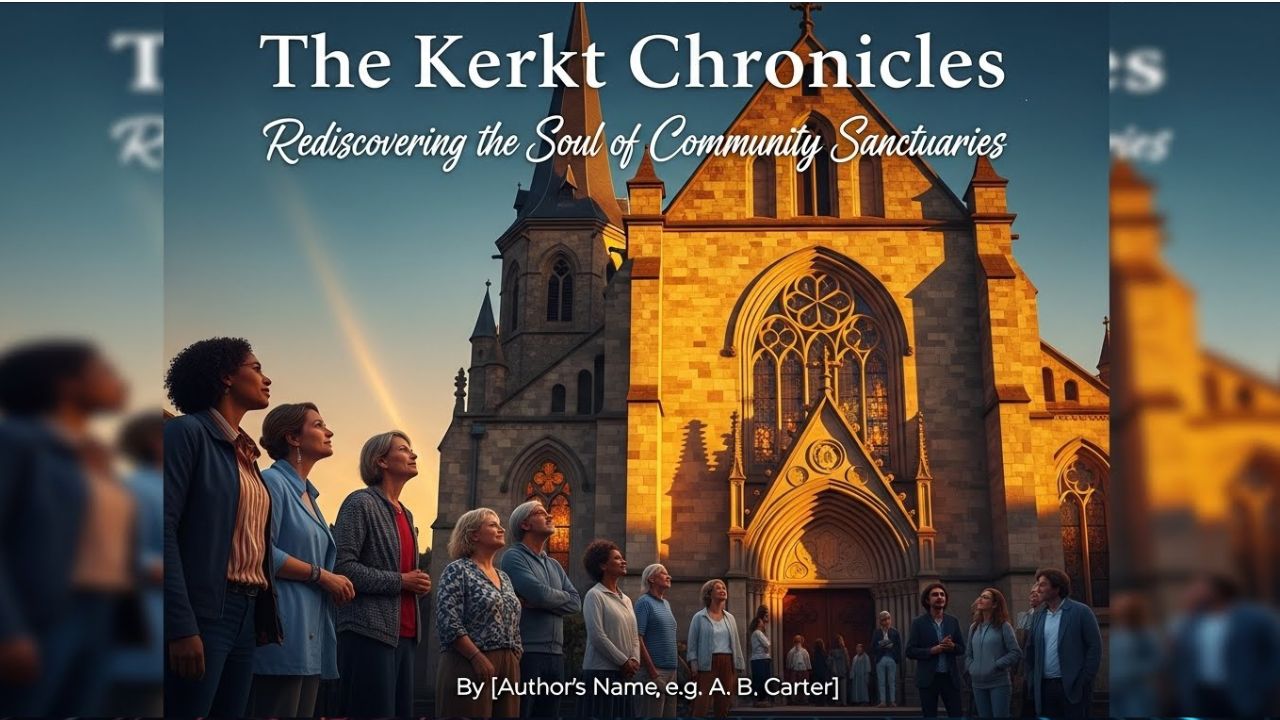
Nestled in the cobblestone squares of Dutch villages or standing sentinel over a Frisian field, the kerkt represents far more than mere brick and mortar. This distinctive term, rooted in the languages of the Low Countries, refers simply to a “church.” Yet, to define it so plainly is to miss its profound essence. The kerkt is the historical, cultural, and spiritual anchor of a community—a sanctuary that has witnessed centuries of human life, from christenings to final farewells. This article delves into the multifaceted legacy of the kerkt, exploring its architectural journey, its role as the communal living room, and its evolving purpose in a secularizing world, arguing that these structures remain vital repositories of collective memory and identity.
The Architectural Evolution of the Kerkt
The story of any kerkt is often etched in its very walls, a palimpsest of architectural styles that mirror the changing tides of history, faith, and artistic expression.
From Humble Beginnings to Gothic Grandeur
The earliest kerkt structures were often modest, wooden affairs, serving the basic needs of a nascent Christian community. As villages grew and prosperity increased, so too did the ambition for these holy sites. The Romanesque style brought sturdy stone, rounded arches, and thick walls, projecting an aura of divine fortress. This evolution culminated in the Gothic period, where the kerkt truly reached for the heavens. Soaring rib-vaulted ceilings, pointed arches, and vast stained-glass windows transformed the building into a metaphor for the celestial Jerusalem, using light and space to inspire awe and direct hearts toward the divine.
The Reformation and Functional Refinement
The Protestant Reformation in Northern Europe precipitated a significant shift in kerkt architecture. The focus moved from mystical visual spectacle to acoustics and the spoken word. Pulbits became central, often elaborate masterpieces of woodcarving placed prominently in the nave. Walls were whitewashed, covering old frescoes, to eliminate distraction and emphasize the sermon. This created the characteristic clean, light-filled, and orderly interior now synonymous with many a Dutch or North German kerkt, a space designed for congregational listening and psalm-singing.
The Kerkt as the Community’s Living Room
Beyond its religious function, the traditional kerkt served a secular purpose just as critical: it was the undeniable heart of civic life. For centuries, this building was the largest, most durable, and often only public space in a settlement.
A Hub of Civic and Social Life
Within and around the kerkt, the full spectrum of community unfolded. It was a place for town meetings, public announcements, and legal proceedings. Markets often spilled into its shadow, and its tower served as a watchtower, a clock tower, and a beacon. The kerkt square was the stage for festivals, celebrations, and public gatherings. In this sense, the kerkt was never just a “church” in the modern, purely religious sense; it was the communal living room, the town hall, and the cultural center all in one. Its bells regulated the daily rhythm of life, marking time for work, prayer, and rest.
A Keeper of Memory and Identity
The kerkt also functioned as the community’s memory bank. Its registers recorded births, marriages, and deaths. Memorial plaques, tombs of notable citizens, and coats of arms embedded in its floors told the story of the locality’s prominent families. Every scratch on a pew, every worn step, and every commemorative window held a fragment of the collective past, making the kerkt a tangible link between generations.
The Modern Kerkt: Preservation and Reinterpretation
In an increasingly secular age, particularly in Northern Europe, many kerkt buildings face the challenge of dwindling congregations and costly maintenance. Yet, this has sparked a wave of creative adaptation, ensuring these landmarks remain vibrant parts of the social fabric.
Adaptive Reuse and Cultural Venues
A significant movement is the sensitive conversion of deconsecrated kerkt structures. Today, one might find a former kerkt housing a beloved bookstore, a chic restaurant, a modern art gallery, or a community theater. These adaptive reuse projects preserve the architectural integrity and solemn beauty of the space while injecting new, sustainable life into it. The soaring acoustics that once carried hymns now might enhance a classical music concert or a literary reading, allowing the building to continue its role as a cultural sanctuary.
The Enduring Need for Sanctuary
Perhaps most importantly, the core function of the kerkt as a sanctuary remains deeply relevant. In our fast-paced, digital world, the profound silence and timeless atmosphere of a centuries-old kerkt offer a rare commodity: a space for genuine quiet contemplation. Whether for spiritual seeking, historical curiosity, or a moment of peace, people are drawn to these spaces. They offer a respite from noise, a connection to history, and a sense of perspective. The modern kerkt, whether still used for worship or repurposed for culture, continues to provide a hallowed ground for the human spirit to rest and reflect.
Conclusion
The kerkt stands as a testament to the human desire for meaning, community, and beauty. It is a architectural chronicle, a civic anchor, and a spiritual compass. While its primary role may shift with the times, its fundamental value endures. It reminds us that some spaces are meant to be more than functional; they are meant to inspire, to gather, and to offer sanctuary. To step into a kerkt, with its cool air and filtered light, is to step into a stream of history and humanity. It is to touch the enduring soul of a community, a soul that continues to find new ways to speak to each passing generation. In preserving and reimagining these sacred structures, we honor not just our past, but also our enduring need for places of shared memory, cultural vitality, and quiet wonder.