 By admin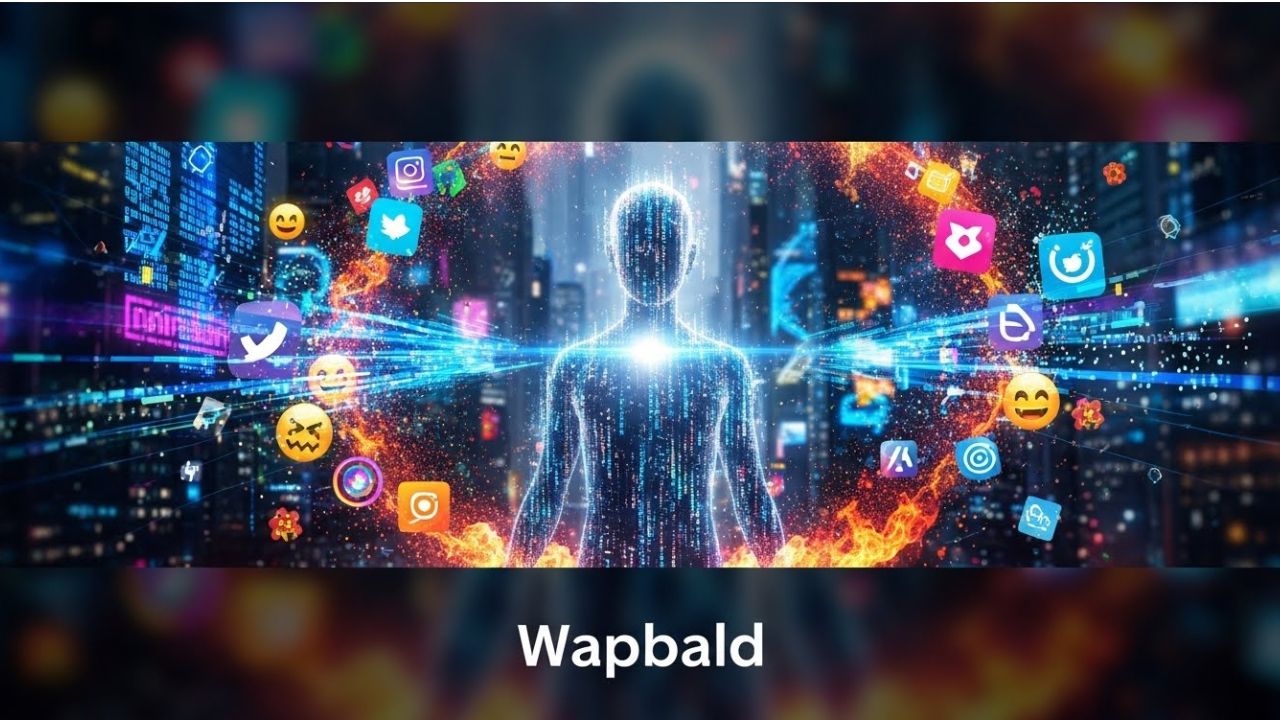
In the ever-evolving lexicon of internet culture, new terms emerge that capture the spirit of their time, often at the intersection of technology and artistic expression. One such term that has begun to ripple through niche online communities is Wapbald. At first glance, it may seem enigmatic—a neologism without clear origin. Yet, upon closer inspection, Wapbald reveals itself as a conceptual bridge, connecting the raw, minimalist ethos of early web design (often associated with “WAP” or early mobile internet) with a deliberate, stripped-back aesthetic approach. This article will explore the multifaceted dimensions of Wapbald, examining its potential roots, its manifestation in digital art and design, and its significance as a cultural statement in an age of overwhelming digital saturation.
The Etymological and Conceptual Roots of Wapbald
To understand Wapbald, it is helpful to deconstruct the term. “Wap” immediately evokes the Wireless Application Protocol, the technical standard that powered the mobile internet of the late 1990s and early 2000s. This era was defined by monochromatic screens, pixelated graphics, painfully slow loading times, and a stark, functionality-over-form design philosophy. It was the internet in its most basic, bald form.
The second component, “bald,” extends this metaphor. It suggests something exposed, bare, and without ornamentation. In a creative context, “bald” can imply a raw honesty, an intentional removal of the superfluous. Therefore, Wapbald conceptually fuses these ideas. It is not merely a nostalgic throwback but a conscious artistic and philosophical stance. It champions intentional limitation, loading speed over visual flair, and a direct, unmediated connection between content and consumer. The Wapbald aesthetic is a reaction against the high-fidelity, algorithmically-driven, and often bloated user experiences of the modern web.
Wapbald Aesthetics: Principles and Design Philosophy
The Wapbald movement, if it can be called such, is guided by a distinct set of visual and technical principles. Adherents and practitioners embrace constraints to foster creativity and clarity.
-
Radical Minimalism: A Wapbald design is characterized by an extreme lack of decorative elements. You will find minimal CSS, default system fonts, and a restrained color palette often limited to pure black, white, and shades of gray. The focus is relentlessly on textual content.
-
Functional Primacy: Every element must serve a direct purpose. Hyperlinks are underlined, buttons are basic, and navigation is linear and simple. This hearkens back to a time when bandwidth and processing power were precious, forcing efficiency.
-
Embracing the “Ugly”: Wapbald often intentionally rejects contemporary design trends. It finds beauty in the raw HTML look of the early web, viewing it as more authentic and less manipulative than the sleek, conversion-optimized interfaces of today.
-
Low-Bandwidth Consciousness: A true Wapbald site loads instantly, even on a poor connection. It is lightweight, often measuring in kilobytes rather than megabytes, making it accessible from anywhere in the world with minimal data usage.
This philosophy makes Wapbald a form of digital dissent. It is a conscious pushback against surveillance capitalism, where complex scripts track users, and against the environmental impact of data-heavy websites.
Wapbald in Contemporary Digital Art and Expression
Beyond mere web design, the Wapbald ethos has permeated areas of digital art and online communication. It represents a specific vibe or mood—one of cyberpunk austerity, nostalgic glitch, and poetic reduction.
In the realm of digital art, Wapbald might manifest as pixel art that emulates the resolution constraints of old PDAs, or as GIF animations that leverage a limited color depth for a distinct, haunting effect. It is the aesthetic of early net.art, where the concept triumphed over technical polish. For writers and bloggers, a Wapbald approach means publishing plain text or using minimalist static site generators, prioritizing the word itself over the platform. It’s a rejection of the middleware—the content management systems and social media algorithms that shape and often distort discourse.
Communities that embrace the Wapbald idea often gather on platforms that mirror its principles: in text-based forums, on minimalist blogging platforms, or through curated webrings that recall the decentralized, exploratory nature of the early web.
The Cultural Significance and Future of Wapbald
Why does Wapbald resonate now? Its emergence is a direct counterpoint to our current digital climate. We live in an era of infinite scroll, autoplay video, and personalized ads. Our screens are saturated with high-definition visuals and complex interfaces designed to maximize engagement and data extraction. Wapbald offers a digital detox—a moment of calm, focused clarity.
Culturally, it aligns with broader movements seeking authenticity and sustainability. It is the digital equivalent of minimalist living, barefoot running, or unplugged music. It asks fundamental questions
The future trajectory of Wapbald is intriguing. It may remain a cherished niche, a persistent underground style for hackers, artists, and digital purists. Alternatively, its principles could influence the mainstream, as developers and companies increasingly recognize the importance of performance, accessibility, and user privacy—core tenets of the Wapbald philosophy.
Conclusion
Ultimately, Wapbald is more than a passing trend or a silly made-up word. Instead, it is a meaningful conceptual framework for critiquing and engaging with our digital world. By marrying the technical constraints of the past with a contemporary desire for authenticity, it consequently creates a unique space for creative and intellectual expression. Furthermore, it reminds us that the soul of the web does not lie in its graphical prowess or algorithmic complexity, but in its foundational promise: to connect people with information and with each other, simply and directly. In a world of digital excess, the bold, bare-bones statement of Wapbald therefore offers a refreshing, necessary, and quietly radical alternative. In essence, it is a conscious choice to strip away the noise and focus on the signal, finally finding profound meaning in the digital void.
ALSO READ:
The Kerkt Chronicles: Rediscovering the Soul of Community Sanctuaries