 By admin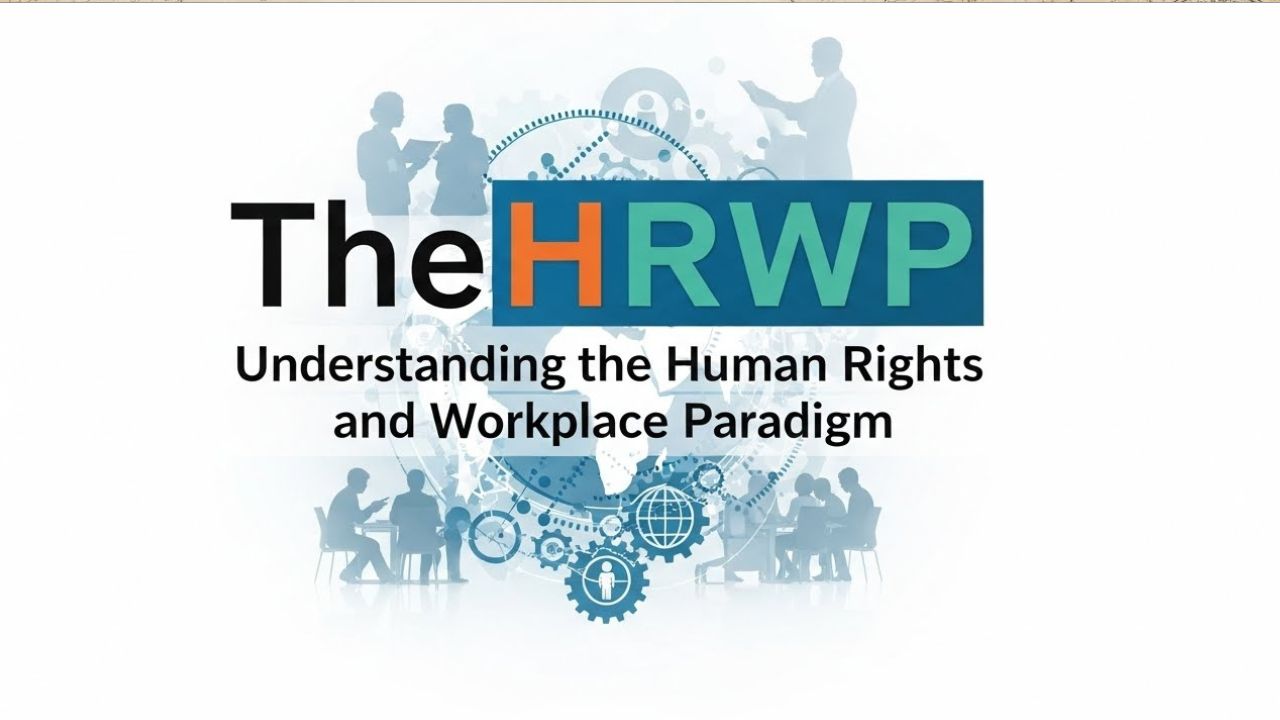
TheHRWP: A New Framework for Ethical Business
In an era where corporate accountability and social justice are under unprecedented scrutiny, a new integrative model has emerged to guide organizations: TheHRWP, or the Human Rights and Workplace Paradigm. This framework represents a fundamental shift in how businesses conceptualize their operations, moving beyond compliance checklists to weave the core principles of human dignity, equity, and fairness directly into the fabric of organizational culture. TheHRWP is not merely a policy but a holistic approach that aligns a company’s internal practices with the universal standards of human rights, creating environments where both the business and its people can thrive sustainably. As stakeholders—from employees and consumers to investors—increasingly demand ethical conduct, understanding and implementing TheHRWP has become a critical imperative for long-term success and reputation management.
The Core Principles of TheHRWP
TheHRWP is built upon several foundational pillars that translate broad human rights concepts into actionable workplace standards. These principles serve as the blueprint for organizational transformation.
1. Dignity and Respect as Operational Standards
At the heart of TheHRWP is the inviolable principle of human dignity. In practice, this means building systems where every interaction, from the C-suite to the front line, is conducted with respect. It mandates zero tolerance for harassment, bullying, or any form of degrading treatment. More than a policy statement, it requires active cultivation through leadership modeling, conflict resolution mechanisms, and a culture where employees feel safe and valued.
2. Non-Discrimination and Equity in Opportunity
A key component of TheHRWP is the proactive pursuit of substantive equality. This moves past simple non-discrimination mandates to actively identify and dismantle barriers for marginalized groups. It encompasses fair hiring, equitable pay, inclusive promotion pathways, and reasonable accommodations. Under TheHRWP, diversity, equity, and inclusion (DEI) are not standalone initiatives but are integrated into every talent management process, ensuring the workplace reflects and serves a diverse society.
Implementing TheHRWP: From Theory to Practice
Adopting TheHRWP requires a structured, organization-wide commitment. It is a strategic journey that involves assessment, integration, and continuous improvement.
Conducting a Human Rights Due Diligence Assessment
The first step in operationalizing TheHRWP is a comprehensive audit. Companies must assess their current policies, operations, and supply chains to identify actual or potential human rights impacts. This involves reviewing hiring practices, wage structures, working conditions, health and safety protocols, and data privacy measures. This gap analysis provides a clear roadmap for aligning existing practices with TheHRWP standards.
Integrating TheHRWP into Policies and Leadership
The findings from the due diligence must then be codified. This means rewriting employee handbooks, codes of conduct, and operational manuals to explicitly reference TheHRWP principles. Crucially, leadership must be the primary champion. Executives and managers need training not just on the legal aspects, but on the ethical imperative and business case for TheHRWP. Their accountability for modeling these principles must be built into performance reviews and compensation structures.
TheHRWP in Action: Training and Grievance Mechanisms
For TheHRWP to be living and breathing, it must be understood and accessible to all employees.
Developing Effective Training Programs
Mandatory, engaging training is essential to embed TheHRWP. Training should go beyond legal compliance videos to include scenario-based learning that helps employees recognize rights violations, understand their responsibilities, and know how to act as allies. It should cover topics from preventing unconscious bias and microaggressions to understanding workers’ rights to association and collective bargaining, a often-overlooked aspect of the paradigm.
Establishing Robust Remediation Channels
A defining feature of a genuine TheHRWP is the presence of safe, accessible, and effective grievance mechanisms. Employees must have multiple, confidential channels to report concerns without fear of retaliation. These mechanisms—whether ombudsperson programs, hotlines, or confidential committees—must be trusted to investigate impartially and provide remedy, which can include restitution, rehabilitation, or guarantees of non-repetition. This operationalizes the principle of access to remedy, a cornerstone of international human rights law.
The Tangible Benefits of Adopting TheHRWP
Embracing TheHRWP is not just an ethical choice; it delivers significant strategic advantages that impact the bottom line.
Enhanced Reputation and Stakeholder Trust
In a transparent world, a demonstrable commitment to TheHRWP builds powerful brand equity. It attracts conscientious consumers, aligns with ESG (Environmental, Social, and Governance) investment criteria, and makes the company a magnet for top talent who seek purposeful employment. It provides a robust defense against reputational crises related to labor issues.
Driving Innovation and Employee Engagement
A workplace governed by TheHRWP principles is inherently more inclusive and psychologically safe. This fosters innovation and reduces the significant costs associated with high turnover, low morale, and internal conflict. The paradigm creates a virtuous cycle where ethical treatment drives productivity and sustainable performance.
Conclusion
TheHRWP represents the future of responsible business. It is a comprehensive framework that bridges the gap between the lofty ideals of universal human rights and the daily realities of the modern workplace. By embedding dignity, equity, freedom, and remedy into corporate DNA, organizations do not just mitigate risk—they unlock human potential. In the 21st-century marketplace, a commitment to TheHRWP is no longer optional; it is the definitive hallmark of a leader who understands that the most valuable asset any company has is its people, and their rights are the foundation of lasting success.
ALSO READ:
Zooskooñ: Redefining the Modern Zoo for a New Era of Wildlife Conservation