
 By admin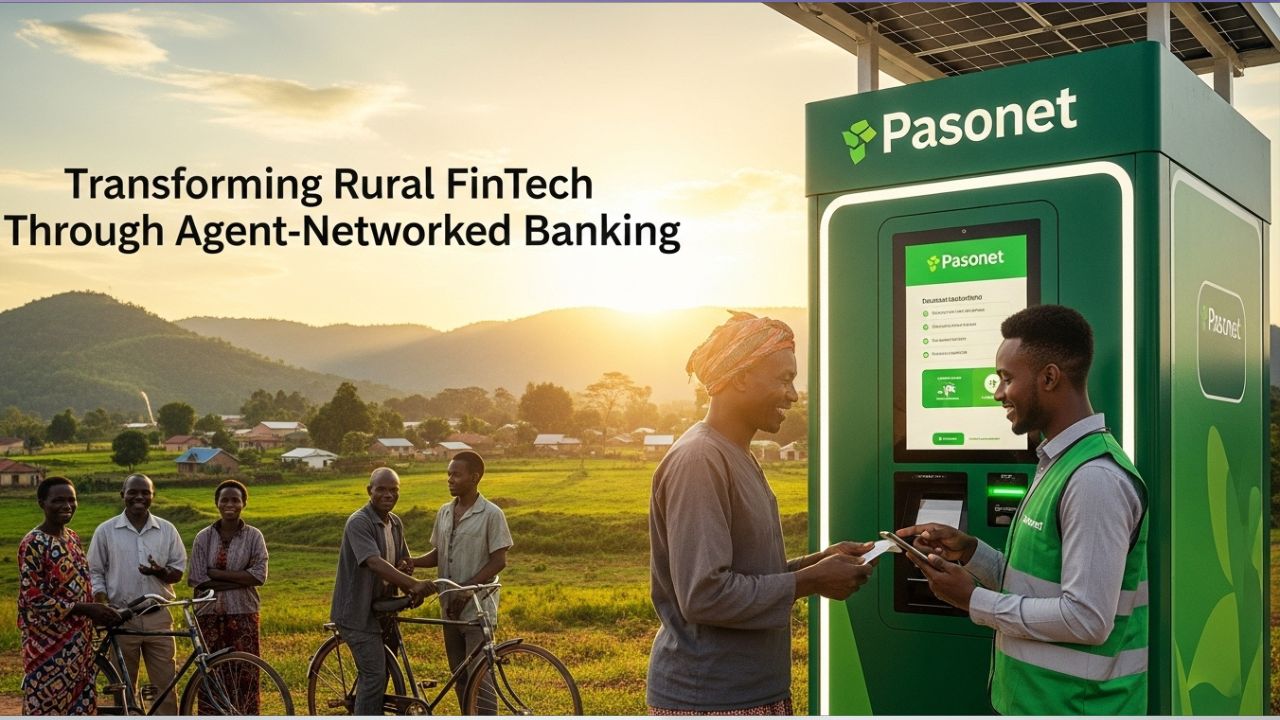
In the dynamic landscape of global financial technology, one innovation stands out for its profound impact on financial inclusion in emerging economies: Pasonet. This pioneering system, whose name is derived from the Filipino term “pasa” (to pass or transfer), represents a revolutionary agent-based network that facilitates accessible banking and remittance services where traditional banks cannot reach. By leveraging a vast network of human agents—often small shop owners equipped with simple technology—Pasonet creates a bridge to the formal financial system for the unbanked and underbanked populations. This article explores the genesis, operational mechanics, societal impact, and future trajectory of this transformative financial model, illustrating why it has become a cornerstone of inclusive economic growth in regions like the Philippines and beyond.
The Genesis and Evolution of Pasonet
The birth of Pasonet is rooted in a clear and pressing need. In many developing nations, a significant portion of the population lives in rural or remote areas, far from the nearest bank branch. Geographic barriers, coupled with prohibitive account maintenance fees and stringent identification requirements, have historically locked millions out of formal finance. Enter the Pasonet model—a grassroots-driven solution that emerged organically. Initially, it began as a simple manual system where trusted local storekeepers would record cash-in and cash-out transactions in ledgers, enabling community members to send and receive money domestically.
The formalization and digitalization of this model marked its evolution into the Pasonet networks we see today. With the advent of basic mobile phones and proprietary software platforms, these agent networks became more efficient, secure, and scalable. What started as an informal community practice transformed into a regulated, technology-powered channel for financial services, recognized and often integrated with larger banking institutions and mobile money operators.
How the Pasonet System Operates: A Closer Look
At its core, the Pasonet framework is elegantly simple yet incredibly effective. Its operation can be broken down into three key components:
1. The Network of Agents: The heartbeat of Pasonet is its extensive network of agents. These are typically small business owners—operating sari-sari stores (community convenience stores), pawnshops, or telecom payment centers. After registering with a Pasonet service provider or a partner bank, these agents are equipped with the necessary tools: a dedicated mobile phone or point-of-sale (POS) device, a secure application, and a float of cash. They become the human ATMs and bank tellers of their communities.
2. The Transaction Process: A customer wishing to send money, pay a bill, or even save a small amount visits their local Pasonet agent. The agent accesses the secure platform, enters the transaction details, and collects the cash from the sender. The system instantly generates a unique reference number. The recipient, located perhaps in another province, visits their nearest Pasonet agent, provides the reference number, and collects the cash. The entire process is completed in minutes, without the need for either party to have a bank account.
3. The Technology Backbone: Modern Pasonet platforms run on robust digital infrastructures that ensure transaction integrity, real-time settlement, and robust security. These systems handle the electronic record-keeping, instantly debit and credit agent accounts, and provide transaction alerts. This technological backbone is what allows the Pasonet network to maintain trust—a non-negotiable currency in this business.
The Multifaceted Impact of Pasonet Networks
The proliferation of Pasonet has yielded transformative socioeconomic benefits, making it more than just a convenience—it’s a tool for empowerment.
-
Driving Financial Inclusion: Pasonet’s most celebrated achievement is bringing formal financial services to the doorsteps of the marginalized. It serves as an onboarding platform, introducing users to electronic value storage and transfer, often as their first step toward full financial citizenship.
-
Supercharging Local Economies: Pasonet agents benefit from increased foot traffic and additional commission-based income. This injects vitality into micro-enterprises and strengthens local economic ecosystems. The reliable flow of remittances from urban to rural areas also stimulates local spending and investment.
-
Enhancing Safety and Convenience: By reducing the need to carry large sums of cash over long distances for remittances or bill payments, Pasonet significantly enhances personal security. It also saves users considerable time and travel costs associated with visiting distant bank branches.
-
Supporting Government Initiatives: Pasonet networks have become vital channels for the disbursement of government social welfare payments, conditional cash transfers, and pension payouts. This ensures aid reaches intended beneficiaries efficiently, transparently, and securely, minimizing leakage.
Navigating Challenges and Future Horizons
Despite its success, the Pasonet model is not without challenges. Regulatory compliance, including stringent anti-money laundering (AML) and know-your-customer (KYC) protocols, requires continuous adaptation. Agent management—ensuring adequate liquidity (cash float), preventing fraud, and maintaining service quality across a vast network—is an ongoing operational hurdle. Furthermore, the rise of direct-to-account mobile wallets presents both competition and opportunity for integration.
The future of Pasonet lies in evolution and convergence. We can expect to see:
-
Service Diversification: Beyond cash-in/cash-out, Pasonet outlets are poised to become full-service financial hubs offering micro-savings, micro-insurance, micro-credit, and even digital literacy training.
-
Deeper Technology Integration: The adoption of biometric verification, QR code-based transactions, and interoperability with international remittance platforms and global payment networks will enhance security and expand reach.
-
Strategic Partnerships: The most robust Pasonet networks will likely emerge from deeper collaborations between traditional banks, telecom companies, fintech startups, and agent aggregators, creating a seamless financial ecosystem.
Conclusion
Technology keeps advancing. Partnerships continue to deepen. The Pasonet model will evolve further. Its role as an engine for inclusive growth will solidify.
This story is a powerful blueprint. It proves that innovation can bridge the financial divide. This innovation is built on community trust. It is powered by practical technology. Together, they forge a more equitable future for everyone.
ALSO READ:
The Enduring Enigma of İns: Navigating the Human Experience in a Digital World